Flamenco Dance Classes in Brighton
Flamenco Brighton
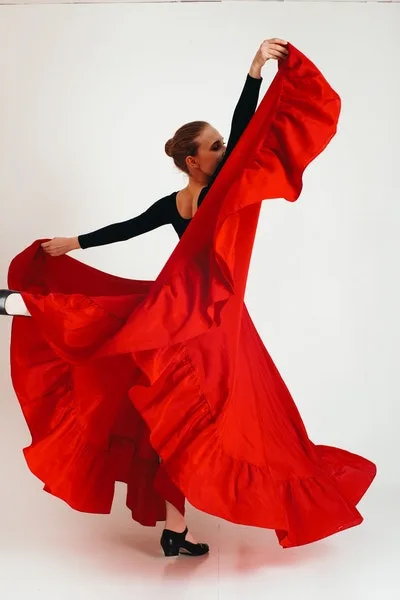 Flamenco — Brighton
Class is coming soon
Fill out the form for more info
Class Details
Location: TBC
Day: TBC
Time: TBC
Age Group: 17 – 75
Teacher: —
Class Structure
Beginners Class — 60 Minutes
Posture and Pride
We begin by finding the flamenco carriage — long spine, lifted chest, weight set proudly through the floor. This upright, planted stance is the frame everything else hangs on, and it changes how the whole dance feels straight away.
The Feet Find the Rhythm
Now the zapateado — the heel drops, toe taps and stamps that give flamenco its drumming heartbeat. We start slow and clear so you feel each sound land, building the footwork one deliberate strike at a time.
Arms, Hands and Wrists
The upper body takes over — the unhurried curl of the arms, the winding braceo and the flowering rotation of the wrists. It is the lyrical counterweight to the fierce feet, and it teaches control you feel in the shoulders next day.
Palmas and Compás
We clap the palmas and count the compás, the rhythmic cycle the whole art rides on. Learning to hear and mark the rhythm is what lets the footwork make sense rather than feeling like random noise.
Putting It Together
Finally the feet, arms and rhythm meet in a short sequence with a proud opening and a decisive finish. We run it a few times, and the moment it locks in is genuinely thrilling — you sound like flamenco.
About Flamenco Classes in Brighton
Flamenco is southern Spain's great dance of feeling, an Andalusian art built from three braided strands: the drumming footwork of the zapateado, the graceful winding of the arms and hands, and the clapped rhythm of the palmas that holds it all together. It is proud, grounded and unmistakably fierce, and while a full performance can look formidable, its foundations are wonderfully approachable — a clear posture, a steady count and a stamp you already know how to do.
You do not have to travel to Seville to begin: our flamenco classes in Brighton are taught from the ground up by an instructor who leads you through the compás, the underlying rhythmic cycle, before adding steps on top. We make no claim to a Spanish tablao on the seafront — this is an honest, welcoming studio class that treats the tradition with respect while keeping it firmly within reach of a complete beginner.
The dance divides neatly for learning: the lower body drums out the rhythm while the upper body draws those slow, expressive lines, and we build the two separately before letting them meet. Wear a skirt with a little swing if you enjoy the drama, or leggings if you prefer — either works. A shoe with a solid, slightly raised heel helps the footwork sing, though a firm boot will do to start, and your studio is confirmed when you book.
Browse all 20 of our dance classes in Brighton, book a flamenco hen party for a one-off group session, or see flamenco classes in our other 66 cities.
Fill Out the Form for More Info
Fill in your details for up-to-date class info.
Why Choose Flamenco in Brighton?
Rhythm You Can Feel
Drumming out the compás with your own feet gives you a physical, unshakeable sense of timing. It is musicianship learned through the body, and dancers find it sharpens their ear for rhythm in everything else they do.
Posture That Commands
Flamenco's proud, lifted carriage rewires how you hold yourself. Weeks of dancing tall translate straight into daily life — people stand differently, and often walk out of the term carrying themselves with more presence.
A Real Emotional Release
This is a dance of duende — raw feeling given shape. Stamping out rhythm with intent is a surprisingly powerful outlet, and many dancers come as much for that catharsis as for the choreography itself.
Tougher Than It Looks
The constant footwork, held posture and engaged core add up to real strength and stamina work, especially through the legs. It is a proper workout dressed as an art form, and your calves will report back.
Your Flamenco Journey
From first class to confident dancer — here is how it usually goes.
Finding the Frame
Stance and Sound
The early weeks set the proud posture and introduce the basic heel-and-toe strikes, so you learn to stand like a flamenco dancer and make your first clean sounds on the floor.
What to Wear
A skirt with a little swing or plain leggings both work. A shoe with a solid, slightly raised heel helps the footwork ring, though a firm boot is fine while you find your feet.
Feet and Arms Together
Coordinating the Halves
You start joining the drumming feet to the winding arms, the real puzzle of flamenco, and learn to let the lower and upper body do different jobs at once.
Keeping Compás
The rhythmic cycle becomes second nature as you clap and count it, so your footwork starts sitting inside the beat rather than chasing it.
Speed and Fire
Faster Footwork
The zapateado sequences grow quicker and more intricate, and you build the stamina to drive them cleanly rather than letting the sound blur as the pace climbs.
Dancing with Feeling
We work on expression and attack — the proud looks, the sudden accents, the held stillness — that give flamenco its unmistakable emotional charge.
Dancing a Palo
Learning a Full Number
You piece together longer routines within a particular flamenco form, shaping a proper dance with light and shade rather than a string of drilled steps.
Where It Can Lead
Some keep it as a fiery weekly ritual; others chase the wider flamenco community and its guitar-led nights, and we can help point you in the right direction.
Flamenco in Brighton FAQ
Everything you need to know before your first class.
Is flamenco realistic if I have never danced? +
Completely. We start from posture and a single clear stamp, then build slowly from there, so a total beginner has everything they need on day one. The look is fierce, but the foundations are patient and approachable.
Do I need special flamenco shoes to start? +
Not to begin with. A shoe with a solid, slightly raised heel makes the footwork ring, but a firm ankle boot works perfectly well for your first weeks. You can invest in proper shoes later if you fall for it.
Do I need to be fit or flexible? +
No particular flexibility is required — flamenco is about rhythm, posture and attack rather than splits. It does build fitness as you go, especially in the legs, but the class meets you at whatever level you arrive with.
How does the footwork actually work? +
It is a vocabulary of heel drops, toe taps and full stamps that together drum out a rhythm. We introduce them slowly and clearly so you feel each sound land, then combine them into patterns as your control grows.
What is compás? +
Compás is the rhythmic cycle that underpins flamenco — the count the whole dance rides on. We clap and mark it in every class so you learn to hear it, which is what makes the footwork click into place.
Whereabouts in Brighton are the classes held? +
In central partner studios around North Laine and the Lanes, confirmed when you book. Most sit a short walk from Brighton station, and buses cover the seafront and Kemptown side, as the city has no tram network.
How much is a flamenco class in Brighton? +
A drop-in is £8, flat — no membership and no contract. You pay only for the sessions you attend, so you can come as often or as occasionally as your week allows without any commitment.
Is it taught by a specialist? +
Yes — the class is instructor-led by someone who teaches the tradition with genuine care, guiding you through the rhythm before layering on steps. We treat the art form with respect while keeping it firmly beginner-friendly.
Can you arrange a flamenco session for a group in Brighton? +
We can. A private flamenco class makes a memorable, dramatic hen do or celebration, and we will tailor the session to your group's level — send your date and rough numbers through the form and we will sort the rest.