Flamenco Classes in London
Flamenco London
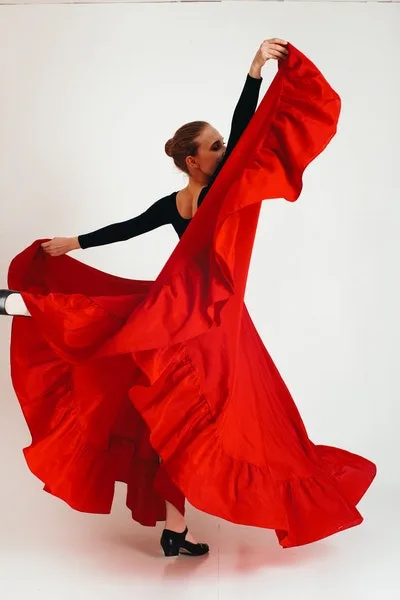 Flamenco — London
Class is coming soon
Fill out the form for more info
Class Details
Location: TBC
Day: TBC
Time: TBC
Age Group: 17 – 75
Teacher: —
Class Structure
Beginners Class — 60 Minutes
Posture & Braceo
Proud carriage first: lifted spine, sculpted arm paths and wrist circles — the shapes that make flamenco recognisable before a single stamp lands.
Footwork Drills
Golpes, plantas and simple zapateado patterns built slowly from single sounds into short phrases — rhythm before speed, always.
The Choreography
Steps assembled into a section of dance — sevillanas territory for most beginners — marked slowly first, then danced with the music.
Palmas & Compás
Group handclap work inside flamenco's rhythmic cycles, then footwork set against it — the moment the whole room becomes a rhythm section.
Run-Through & Cool-Down
The choreography danced full through with palmas support, followed by the calf and foot stretches your zapateado will thank you for.
About Flamenco Classes in London
Flamenco is a living art in this city. The Flamenco Festival brings Spain's finest to Sadler's Wells, tablao-style nights run in restaurants and pop-up venues across the capital, and a devoted community of aficionados keeps classes full the year round. Our flamenco classes in London plug you straight into that world — technique first, scene included.
Our partner studios all sit within Zones 1 and 2, every one chosen for a floor that can take a stamp — because zapateado is percussion, and carpet is its natural enemy. Beginners start with posture, braceo, palmas and first footwork, letting the compás settle into the body gradually rather than chasing speed.
No Spanish, no flamenco shoes and no experience are required at the door — a sturdy low heel and a willingness to make some noise cover the whole first term. Every studio sits close to a tube station, which is how we would arrive; driving into central London buys you nothing but charges.
Browse all 20 of our dance classes in London, book a flamenco hen party for a one-off group session, or see flamenco classes in our other 66 cities.
Fill Out the Form for More Info
Fill in your details for up-to-date class info.
Why Choose Flamenco in London?
A Festival City
London hosts one of the world's great flamenco festivals at Sadler's Wells — see Spain's leading artists in season, then chase what you saw in class.
Hard Floors, Loud Feet
Our partner studios are picked on one criterion above all others: hard floors that let zapateado ring out the way it is meant to.
Rhythm You Keep
Palmas and compás training hand you flamenco's rhythmic language — a musicianship that stays with you well beyond the dance floor.
A Scene, Not Just a Class
Tablao nights, festival season and a tight-knit London aficionado community mean your new obsession has somewhere to go every month.
Your Flamenco Journey
From first class to confident dancer — here is how it usually goes.
Stand Like a Flamenca
Getting Started
Posture, braceo and your first golpes — plus palmas from day one, because in flamenco your hands train as hard as your feet.
What to Wear
A solid, low-heeled shoe and clothes you can move freely in. A wide skirt is lovely but entirely optional.
First Zapateado
Building Footwork
Heel-toe patterns gather speed and length, and short remates start punctuating your phrases — the noise becomes deliberate.
Hearing the Compás
The twelve-count cycles stop being arithmetic and start being felt — the single biggest breakthrough in learning flamenco.
Dancing a Palo
Your First Dance
A recognisable flamenco form — sevillanas or a tangos — danced beginning to end, with the structure that lets you dance it anywhere.
Proper Shoes
This is the point where nailed flamenco shoes earn their price tag; your teacher will tell you exactly what to buy and where.
Aficionado
Advanced Practice
Faster footwork, longer choreographies, expressive marking and the beginnings of improvising inside the compás.
Into the Scene
Festival tickets, tablao nights and workshops with visiting Spanish artists — London serves the obsession properly.
Flamenco in London FAQ
Everything you need to know before your first class.
Whereabouts in London do you teach flamenco? +
Sessions are hosted by partner studios across Zones 1 and 2, each selected for a hard floor that footwork can ring out on, and each near a well-connected tube station. Your exact venue is confirmed at registration.
What do flamenco classes in London cost? +
It is £8 to drop in — nothing more, and no contract tying you to anything. Once the regular timetable is confirmed for your studio, discounted blocks will be available for weekly dancers.
Is any experience needed before starting flamenco? +
None whatsoever. The beginner course opens with posture, arm work and handclaps — things every body can do on day one — and footwork is layered in from single sounds upward.
What should I wear, and what shoes do I need? +
Comfortable clothes and any firm shoe with a modest, solid heel — character shoes or a sturdy boot heel both work. Proper nailed flamenco shoes are a later purchase, once footwork gets serious; a wide skirt is optional at every stage.
Will I learn castanets? +
Not straight away — castanets are an instrument in their own right and deserve dedicated attention, which arrives at improver level. Beginners first build palmas and footwork, the rhythmic core everything else hangs on.
What is compás, and will I actually be able to learn it? +
Compás is flamenco's rhythmic cycle — the pulse the whole art form agrees on. It feels mysterious for about a month and then it clicks; we train it every week through palmas until it lives in your body.
Is flamenco footwork hard on the knees? +
Taught properly, no — weight stays forward, strikes stay relaxed and volume comes from technique rather than force. Stamina builds gradually, and the cool-down looks after your calves and feet.
Will I learn sevillanas? +
Yes — sevillanas is the traditional first dance for good reason: four short, structured coplas that Spaniards dance socially at every feria. Most beginners have it danceable within a couple of terms.
Where can I see live flamenco in London? +
Festival season at Sadler's Wells is the annual highlight, and tablao-style nights run in Spanish restaurants and pop-up venues through the year. Your teacher will happily point you to this month's best bet.