Tap Dance Classes in Portsmouth
Tap Portsmouth
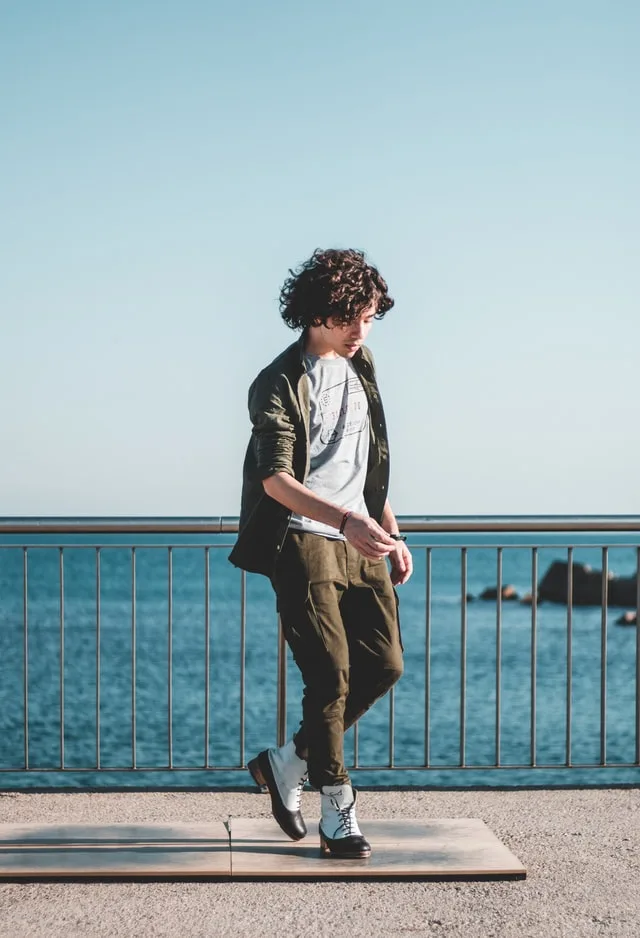 Tap — Portsmouth
Class is coming soon
Fill out the form for more info
Class Details
Location: TBC
Day: TBC
Time: TBC
Age Group: 17 – 75
Teacher: —
Class Structure
Beginners Class — 60 Minutes
Getting the Feet Going
We start loose and easy, rolling the ankles and shaking the knees out until the legs feel bouncy rather than locked. Then we go hunting for a first noise or two — a heel dropped here, a toe brushed there — just to hear the floor answer. Nothing tricky yet; it is only your feet and the boards getting acquainted.
The Alphabet of Tap
This is where we gather the few core moves the rest is built on — a shuffle, a flap, a ball-change — and repeat each one slowly until it rings out clean rather than muddy. It is a bit like drilling your letters before you write; by the end a handful of them belong to you.
Into the Time Step
The loose pieces now start joining up, and we take a run at the time step, the staple pretty much every tapper learns in the end. Out of nowhere your scattered noises lock into a shape you can repeat, and that first clean loop is what keeps people beaming for the rest of the evening.
Trading Rhythms
This part is nothing but listening. We knock a beat around the group, carry a little phrase from neighbour to neighbour, and track down where the stress ought to sit. With your own two feet doing the percussion, this is the moment a scatter of loose taps begins to move as one.
Onto a Track
We round things off by laying the short routine over a real song and looping it a few times, so each sound sits square on the beat. A slow calf-and-foot stretch then closes us out — those muscles put in more work than people expect — and that is your hour.
About Tap Classes in Portsmouth
Tap flips dance around: here the sound is the entire point. You are not keeping step with a track — you are the source of the rhythm, your own feet doing the work a drum usually would. We kick off with the barest noises, a flap here and a shuffle there, and build them up into steps until, one evening, you catch yourself glancing down and realising you are genuinely in time.
You do not need your own tap shoes to get going — we lend pairs out over your first few weeks, so one £8 drop-in really is all it costs to see if it clicks. Turn up in whatever you can move in; from the waist down is where tap happens, so it honestly does not mind what you have on.
Portsmouth suits a stage style. The King's Theatre on Albert Road is Southsea's grand Edwardian playhouse, a Frank Matcham design that still hosts touring shows and pantomime, while the New Theatre Royal and Portsmouth Guildhall round out a proper theatre city — and tap grew up hand in hand with the musical stage. Our studios are right in the middle of town, close to Portsmouth & Southsea station and its bus routes, with the precise address reaching you once you have booked.
Browse all 20 of our dance classes in Portsmouth, or see tap classes in our other 66 cities.
Fill Out the Form for More Info
Fill in your details for up-to-date class info.
Why Choose Tap in Portsmouth?
Borrow the Shoes to Begin
Spend nothing up front. We hold a rack of loan shoes you can use through your opening weeks, so a single £8 on the night is the real, total cost of trying it. Once you are sure, we will help you track down a solid first pair to call your own.
You Are the Instrument
In most dance you follow the music; in tap you supply it. Each step you put down is a fresh beat of your own making, which is why anyone who finds themselves drumming on a table or a steering wheel without realising it tends to fall for this quickly.
A Theatre City to Match
Portsmouth is a genuine theatre city — the Edwardian King's on Albert Road, the New Theatre Royal and the Guildhall all pull touring shows and musicals through. Learning a real show style a few streets from stages like those puts a bit of a charge into a Tuesday-night class.
Easy to Pick Up Later On
There is no need to be young or sporty for tap — a sharp ear and steady timing matter a great deal more, and it goes very gently on the joints. That makes it one of the most forgiving dances to get into whenever the mood takes you, and the ages in our Portsmouth adult sessions cover a wide span.
Your Tap Journey
From first class to confident dancer — here is how it usually goes.
Making a Racket
Your First Taps
The opening sessions go after single, clean sounds — a heel drop, a toe tap, the odd shuffle — as we free up the ankles and slowly wind the pace higher. It is immediate, noisy and genuinely enjoyable, and most beginners are knocking out a rough rhythm well before the hour closes.
Shoes and Kit
Grab a borrowed pair and there is nothing to lay out to begin with. Wear whatever you can move around in, and for any session before your loan shoes arrive, a firm flat sole is enough to pick out where each beat should fall.
Taps Become Steps
Joining Up
Those single taps start knitting into steps and short phrases, with the time step usually out in front. Your feet begin making patterns deliberately instead of by accident, and there is a real buzz the first time you play back a rhythm you actually intended.
Cleaning Up
Next comes the hunt for clarity, because a single tap landing a hair late blurs an entire phrase. Here is where your hearing finally matches your feet: you notice your own wrong notes and tidy them, a knack that is quietly rewarding on its own.
Speed and Swing
Bigger Phrases
Phrases run longer and quicker, and a little swing and syncopation starts creeping in. The bright, chattering crispness you admire in good tap begins showing up in your own feet, and the routines start to feel like proper little numbers rather than exercises.
Bending Time
You learn to work the beat rather than only hit it — leaning on an accent, leaving a deliberate gap, answering the music back. This is the moment a tapper stops merely reciting steps and starts to sound genuinely musical.
A Real Hoofer
Fully in Charge
Quick on your feet, tidy and self-assured, you soak up choreography fast and can even spin out a bar of improvisation of your own. Moves that had you stumped early on now land without a moment's thought, your feet following wherever your ear points.
Where It Takes You
It might carry you toward show numbers and performance pieces — never a shortage of stages in a theatre town like this one — or it might just become a lasting hobby that happens to be a musical instrument on your feet. Tap people are a welcoming bunch, and a trickier pattern is always waiting round the corner.
Tap in Portsmouth FAQ
Everything you need to know before your first class.
Can I start as a complete beginner? +
Yes — our Portsmouth tap classes are aimed squarely at adults who have never done a step of it. We open on the most basic sounds and bring in one new piece each time, so nobody is ever expected to show up already knowing something. Most first-timers are turning out something you could fairly call a rhythm before their opening hour is up.
Do I have to buy tap shoes? +
Not at the outset — we sort you out with a borrowed pair, so there is nothing to spend before you know it suits you. Wear any comfortable clothes you can move in; tap has nothing to say about what you have on from the ankle up, since everything that matters is going on down by the floor.
I've no musical background — will that hold me back? +
Not in the least — picking up a feel for rhythm from a standing start is a big slice of why tap is so good for you. Anyone who has ever knocked out a beat on the table roughly in time with a track already has the raw ingredients, and the class works the rest down into your feet as the weeks go by.
Whereabouts in Portsmouth are the classes? +
At partner studios in the middle of Portsmouth, an easy walk from Portsmouth & Southsea station and handy for local buses and car parks, with the King's on Albert Road not far off. We send the exact address across as soon as you have a place.
What does a class cost? +
It is £8 to drop in, and since the loan shoes come with it, that genuinely is everything it costs to get going. There is no sign-up and no membership. When your studio locks in a regular weekly slot, better-value multi-week blocks open up for anyone coming back.
What should I wear? +
Whatever is comfortable and lets you move — there is no dress code. All the kit that counts is the tap shoes themselves, and those are on loan, so you can rock up pretty much as you are.
What makes Portsmouth a good place to learn tap? +
Tap and musical theatre came up hand in hand, and Portsmouth has genuine stage pedigree — the Edwardian King's on Albert Road, the New Theatre Royal and Portsmouth Guildhall all bring in touring musicals and dance. Picking up a show style within a few minutes of houses like those lends the whole thing a bit more buzz.
Is tap alright to take up later in life? +
Absolutely — few dances are as welcoming to a late start, and our Portsmouth classes are full of adults of every vintage. It draws on your ear and your timing far more than your fitness, and it treats the joints kindly, so beginning later in life is a thoroughly sensible move.
Can I practise at home when it's so loud? +
It does make a glorious racket, which is a good part of the appeal, if less welcome above sleeping neighbours. Many people run the footwork softly in socks on a bare floor, or on a little practice board at home, and keep the full-volume version for the studio.